
When it comes to improving skin tone, texture, and overall glow, two of the most popular professional treatments are IPL photofacials and chemical peels. While both are designed to rejuvenate the skin, they work in very different ways and address different concerns.
Understanding how each treatment works helps you choose the option that best aligns with your goals. Whether you are looking to reduce sun damage, smooth texture, or refresh dull skin, the right treatment starts with knowing what your skin truly needs.
What Is an IPL Photofacial?
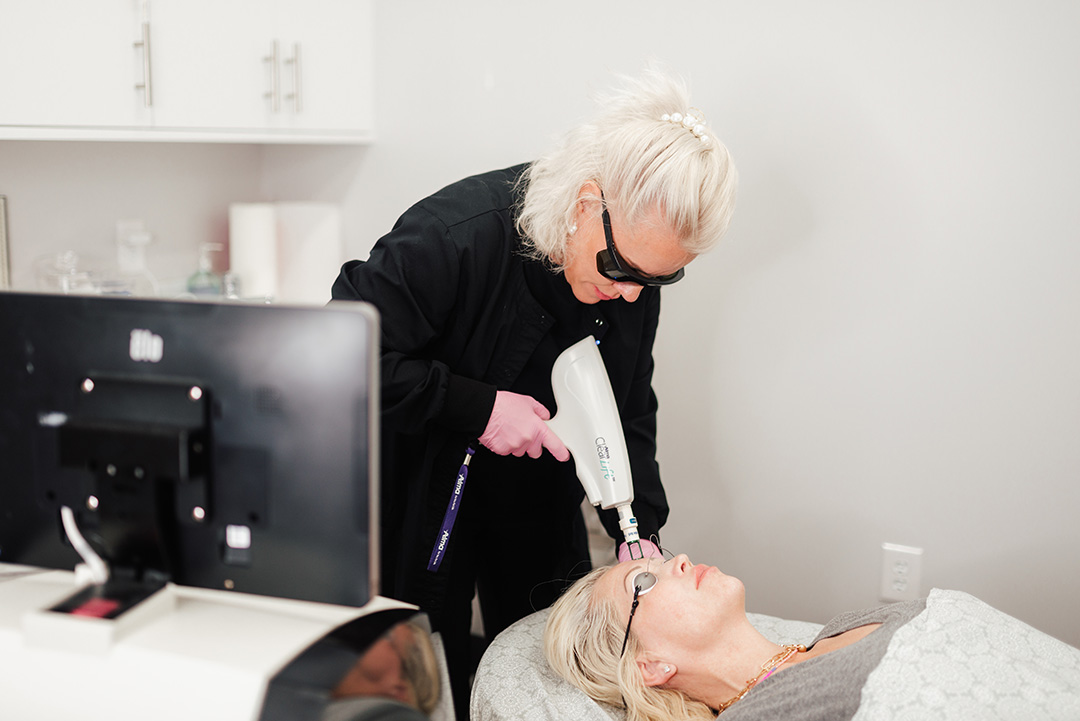
IPL stands for Intense Pulsed Light, a technology-based treatment that uses targeted light energy to improve skin tone and reduce visible discoloration. Unlike lasers that use a single wavelength, IPL delivers multiple wavelengths of light to reach pigment and redness beneath the skin’s surface.
The light energy gently heats targeted areas, helping break up pigmentation and reduce visible redness while stimulating natural skin renewal. Over time, treated areas become clearer and more even in tone.
Skin Concerns IPL Photofacials Treat Best
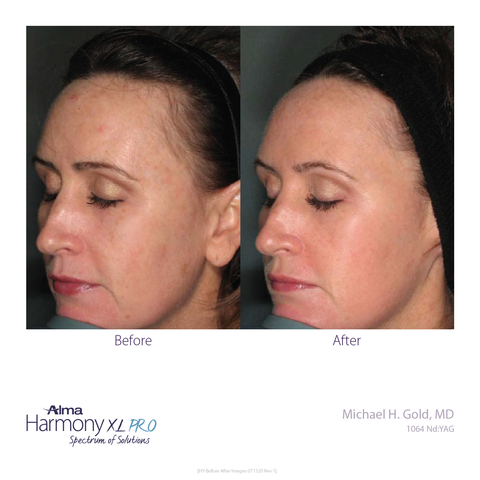
IPL photofacials are especially effective for concerns related to discoloration and uneven tone. Many clients choose IPL to address:
- Sun spots and age spots
- Hyperpigmentation
- Redness and rosacea
- Broken capillaries
- Uneven skin tone caused by sun exposure
Because IPL focuses on pigment and vascular concerns, it is often ideal for clients wanting clearer, brighter-looking skin without aggressive resurfacing.
Benefits of IPL for Skin Rejuvenation
One of the biggest advantages of IPL is gradual, natural-looking improvement. Results build over a series of treatments as the skin clears and tone becomes more balanced.
Benefits of IPL photofacials include:
- A more even complexion
- Reduction in visible redness and discoloration
- Minimal downtime compared to more aggressive treatments
- Ongoing skin rejuvenation with continued sessions
Many clients appreciate that IPL improves overall skin clarity while supporting long-term skin health.
What Is a Chemical Peel?
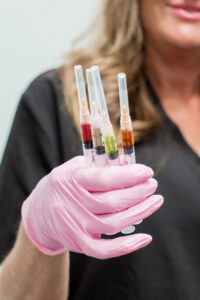
Chemical peels take a different approach to skin rejuvenation. Instead of using light energy, professional-grade exfoliating solutions are applied to the skin to remove damaged outer layers.
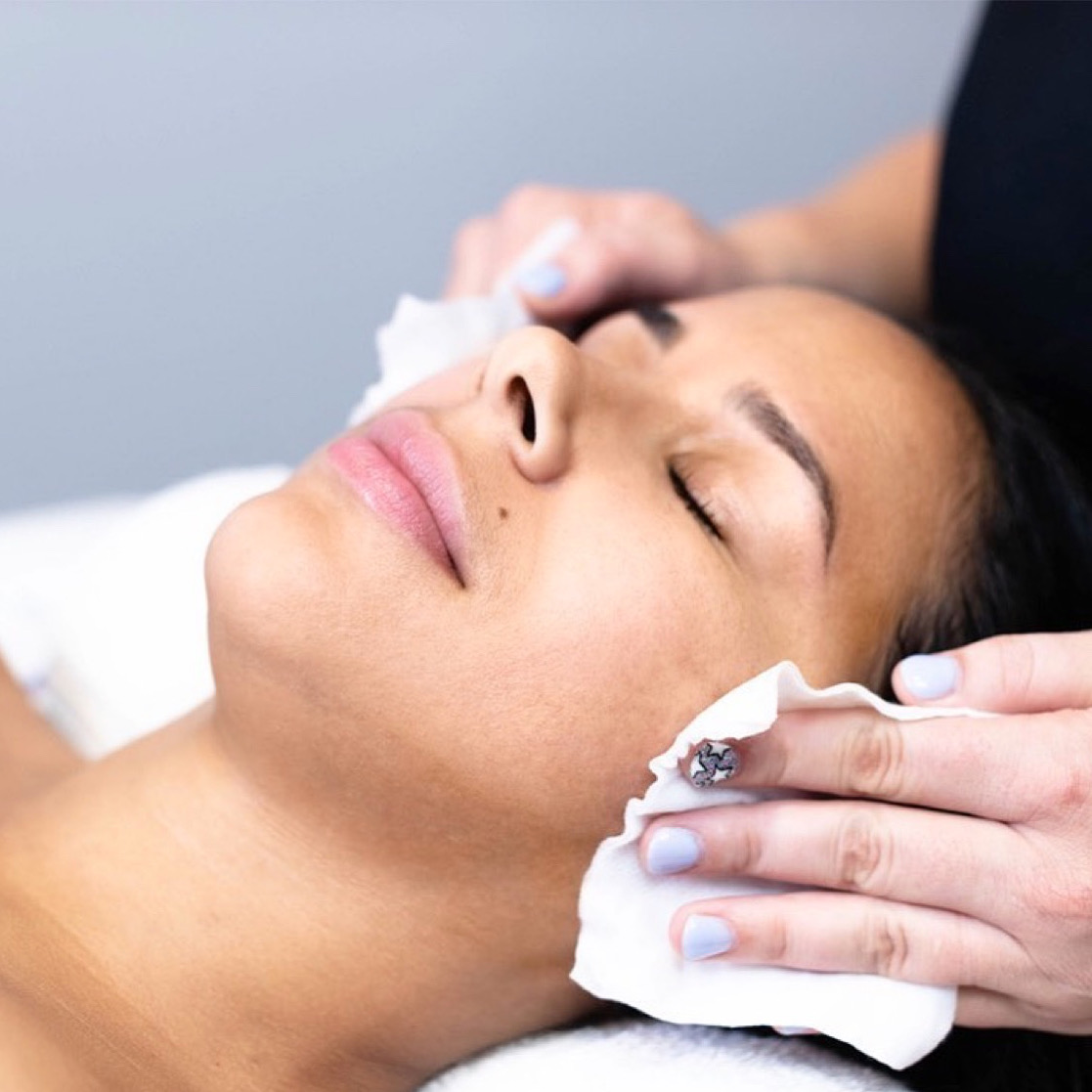
This controlled exfoliation encourages new cell turnover, revealing fresher, smoother skin underneath. Chemical peels can vary in strength, allowing treatments to be customized based on skin type, concerns, and desired results.
Skin Concerns Chemical Peels Treat Best
Chemical peels are particularly effective for concerns related to texture and resurfacing. They are commonly recommended for:
- Acne and congestion
- Fine lines and early signs of aging
- Dull or rough texture
- Uneven skin tone
- Mild acne scarring
By accelerating cell renewal, peels help refresh the skin’s surface and improve overall smoothness.
Benefits of Professional Chemical Peels
Professional chemical peels do more than exfoliate. They help reset the skin and improve how it functions over time.
Key benefits include:
- Smoother, softer skin texture
- Brighter, more radiant appearance
- Improved absorption of skincare products
- Customizable treatment intensity for different goals
Because peels can be adjusted in strength, they work well for both maintenance treatments and more corrective skin plans.
IPL Photofacial vs. Chemical Peel: Key Differences
Although both treatments improve skin appearance, they target different layers and concerns.
IPL photofacials focus on pigment and redness beneath the surface using light energy. Chemical peels focus on resurfacing the outer layer of skin through controlled exfoliation.
In general:
- IPL improves tone and discoloration
- Chemical peels improve texture and surface quality
- IPL results appear gradually over multiple sessions
- Peels often deliver noticeable texture improvement after each treatment
The best choice depends on whether your primary concern lies beneath the skin or on its surface.
Which Treatment Has More Downtime?
Downtime varies depending on the treatment and intensity level.
After IPL, clients may experience mild redness similar to a light sunburn, with darkened pigment temporarily appearing before it fades. Most people return to normal activities quickly.
Chemical peels may involve several days of dryness or visible peeling, depending on the strength used. Lighter peels have minimal downtime, while deeper treatments may require more recovery.
Your provider will recommend the appropriate option based on your lifestyle and comfort level.
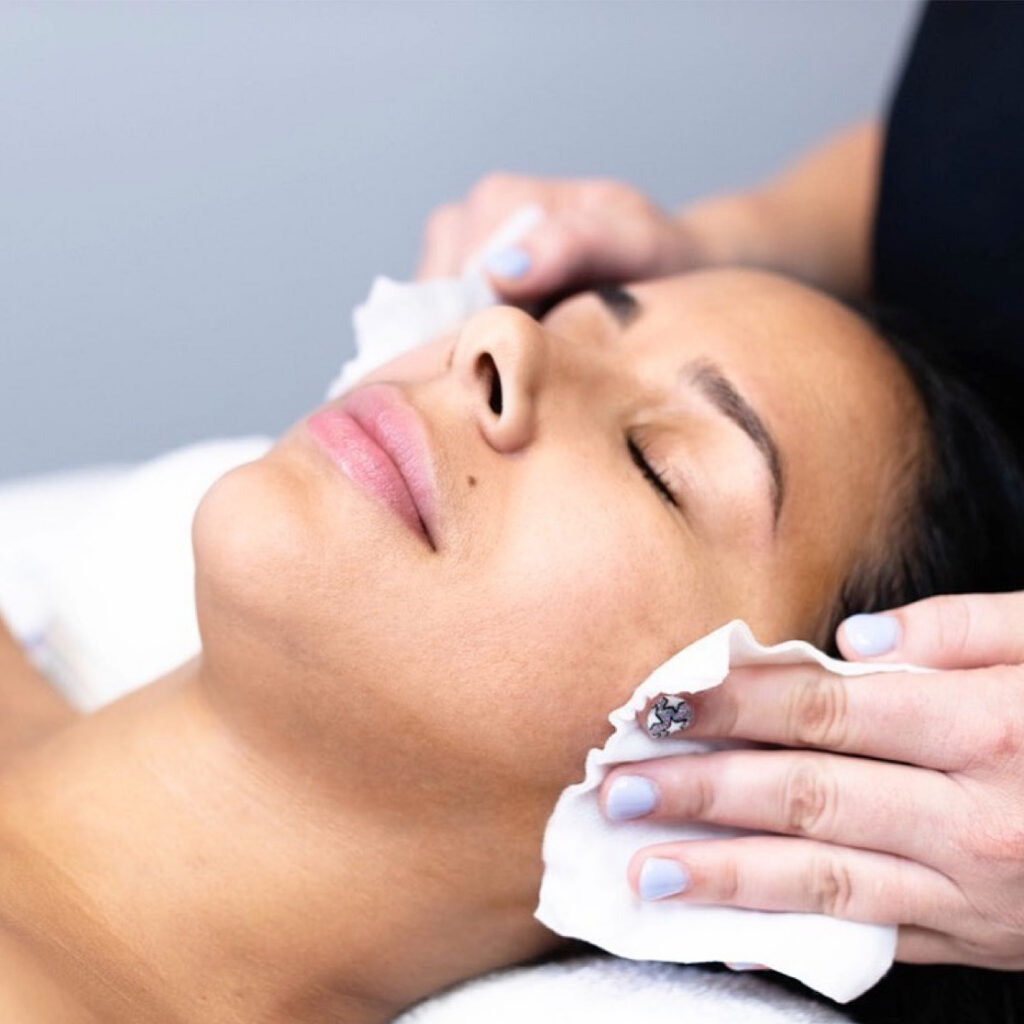
Which Option Is Better for Your Skin Goals?
Choosing between IPL and a chemical peel often comes down to identifying your main concern.
If redness, sun damage, or pigmentation are your biggest frustrations, IPL may be the better fit. If uneven texture, acne, or dull skin are your priority, a chemical peel may deliver stronger results.
Many clients benefit from a long-term plan that evolves as their skin improves and goals change.
Can You Combine IPL and Chemical Peels?
In many cases, IPL and chemical peels can be combined as part of a customized treatment plan. Because they work differently, layering treatments over time can address multiple concerns for more comprehensive rejuvenation.
Alternating treatments allow providers to improve tone, texture, and overall skin quality while supporting healthy skin renewal.
Choosing the Right Treatment at Colair Beauty Lounge & Med Spa
Every person’s skin is unique, which is why professional guidance matters. At Colair Beauty Lounge & Med Spa, treatments are selected based on a personalized assessment of your skin type, concerns, and long-term goals.
A consultation allows your provider to recommend the right approach and create a plan designed to help your skin look clearer, smoother, and more confident over time.
Schedule a consultation with Colair to discover which treatment is the right fit for your skin and your goals.