

Maybe your part looks a little wider than it used to. Your ponytail feels thinner. You’re noticing more hair in the shower, or your hairline just doesn’t look quite the same in photos.
Hair loss and thinning hair can happen gradually, which means it’s often hard to pinpoint exactly when it started. But once you notice it, it can be difficult to stop noticing it.
And for many people, the first thing that comes to mind when they hear “hair restoration” is a hair transplant.
The good news? That’s far from your only option.
Today, there are several approaches to hair restoration that can support healthier-looking, fuller hair without surgery. The key is understanding that they don’t all work the same way.
Why Does Hair Start Thinning?
There isn’t one single reason for hair loss.
Genetics can play a major role, but hormonal changes, aging, stress, nutrition, certain medications, medical conditions and other factors can also affect the hair growth cycle.
That’s one reason there isn’t a universal hair restoration treatment that makes sense for everyone.
Before deciding what to do about thinning hair, it helps to understand what you’re seeing, how your hair has changed and what you hope to accomplish. From there, you can explore the treatment options that may be appropriate for you.
Hair Transplants: A Surgical Approach to Hair Restoration
Hair transplantation is probably the most familiar form of hair restoration.
During a hair transplant, healthy hair follicles are surgically moved from one area of the scalp to an area experiencing hair loss. Unlike treatments designed to support existing follicles, a transplant physically relocates follicles to areas where hair is no longer growing.
That distinction is important.
Hair transplantation may be an option for certain types or stages of hair loss, but it is a surgical procedure. That means it comes with a different level of commitment, recovery and cost than non-surgical hair restoration treatments.
For people who are beginning to notice thinning or who want to explore less invasive options first, there are other approaches worth understanding.
Alma TED: Supporting the Scalp Without Needles or Surgery
Alma TED takes a very different approach.
Rather than transplanting hair follicles or using injections, TED is a non-invasive treatment designed to support the scalp and existing hair follicles.
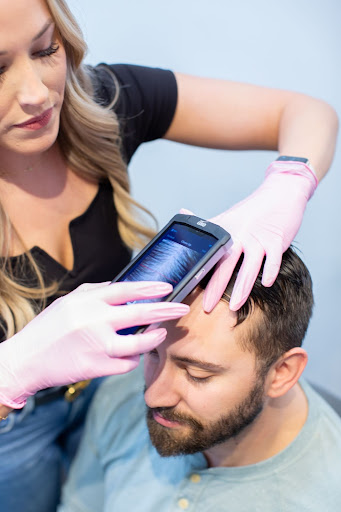
TED uses ultrasound technology and air pressure to help deliver a topical hair growth formula into the scalp. The treatment is designed to support scalp health and encourage the appearance of thicker, fuller-looking hair.
One of the biggest differences with TED is the treatment experience itself. There are no needles, incisions or surgical recovery involved.
That can make it an appealing option to explore for people who are noticing thinning hair but aren’t looking for a surgical procedure or the cost of one.
PRP Hair Restoration: Using Your Body’s Own Platelets
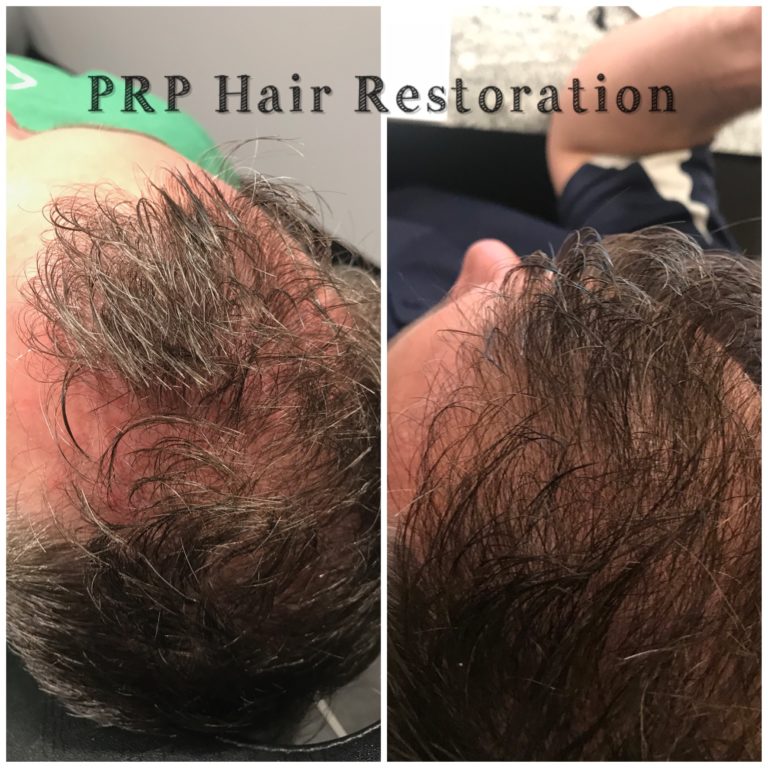
PRP, or platelet-rich plasma, is another non-surgical approach to hair restoration.
With PRP therapy, a small amount of your own blood is drawn and processed to concentrate the platelets. That platelet-rich plasma is then injected into targeted areas of the scalp.
Platelets contain growth factors involved in the body’s natural repair processes. In hair restoration treatments, PRP is used to help support existing follicles and encourage healthier hair growth.
Like TED, PRP is focused on supporting the follicles that are already there rather than relocating follicles as a hair transplant does.
What About Hair Growth Supplements?
Hair restoration doesn’t always begin with an in-office treatment.
Nutritional support may also be part of the conversation, particularly when factors such as stress, hormones or nutrition may be contributing to changes in hair health.
Professional-grade hair supplements such as Nutrafol are designed to support hair growth from within by addressing multiple factors that can affect the hair growth cycle.
That makes supplements different from treatments like TED or PRP, which work more directly at the scalp.
They may be used on their own in some situations or as part of a broader hair wellness plan. What makes sense depends on the individual, which is why it’s helpful to look at hair loss from more than one angle.
Which Hair Restoration Treatment Is Best?
There isn’t one answer, and there shouldn’t be.
Hair transplantation, TED, PRP and nutritional support each approach hair restoration differently. One physically relocates follicles. Others focus on supporting existing follicles or addressing factors that can influence healthy hair growth.
The better question is: What approach makes sense for your hair?
Someone who has just started noticing increased shedding or thinning may have very different needs than someone who has experienced significant hair loss for years. Your goals, the condition of your scalp and existing follicles, your comfort with different procedures and the possible causes behind your hair loss can all matter.
That’s why a personalized approach is so important.

Don’t Wait Until Hair Loss Feels “Bad Enough”
It’s easy to tell yourself you’ll deal with thinning hair later.
But if you’re noticing a change, you don’t have to wait until it becomes dramatic before asking about your options.
Hair restoration treatments that focus on supporting existing follicles depend on those follicles still being present and capable of responding. Starting the conversation earlier can give you a better understanding of what’s happening and which options may be available to you.
And sometimes, simply knowing that you have options can make the situation feel a lot less overwhelming.
Let’s Talk About Your Hair
Hair loss is personal, and your hair restoration plan should be, too.
At Colair Beauty Lounge & Med Spa in Gilbert, AZ, we offer multiple approaches to hair and scalp wellness, including Alma TED, PRP hair restoration and Nutrafol. Our team can help you understand how these options differ and determine which treatments may be appropriate based on your hair, budget, goals and individual needs.
Noticing thinning, shedding or changes in your hair? Call or visit Colair Beauty Lounge & Med Spa to start the conversation about your hair restoration options.